Author: matt

  • A Quarantine Aquarium

    A Quarantine Aquarium

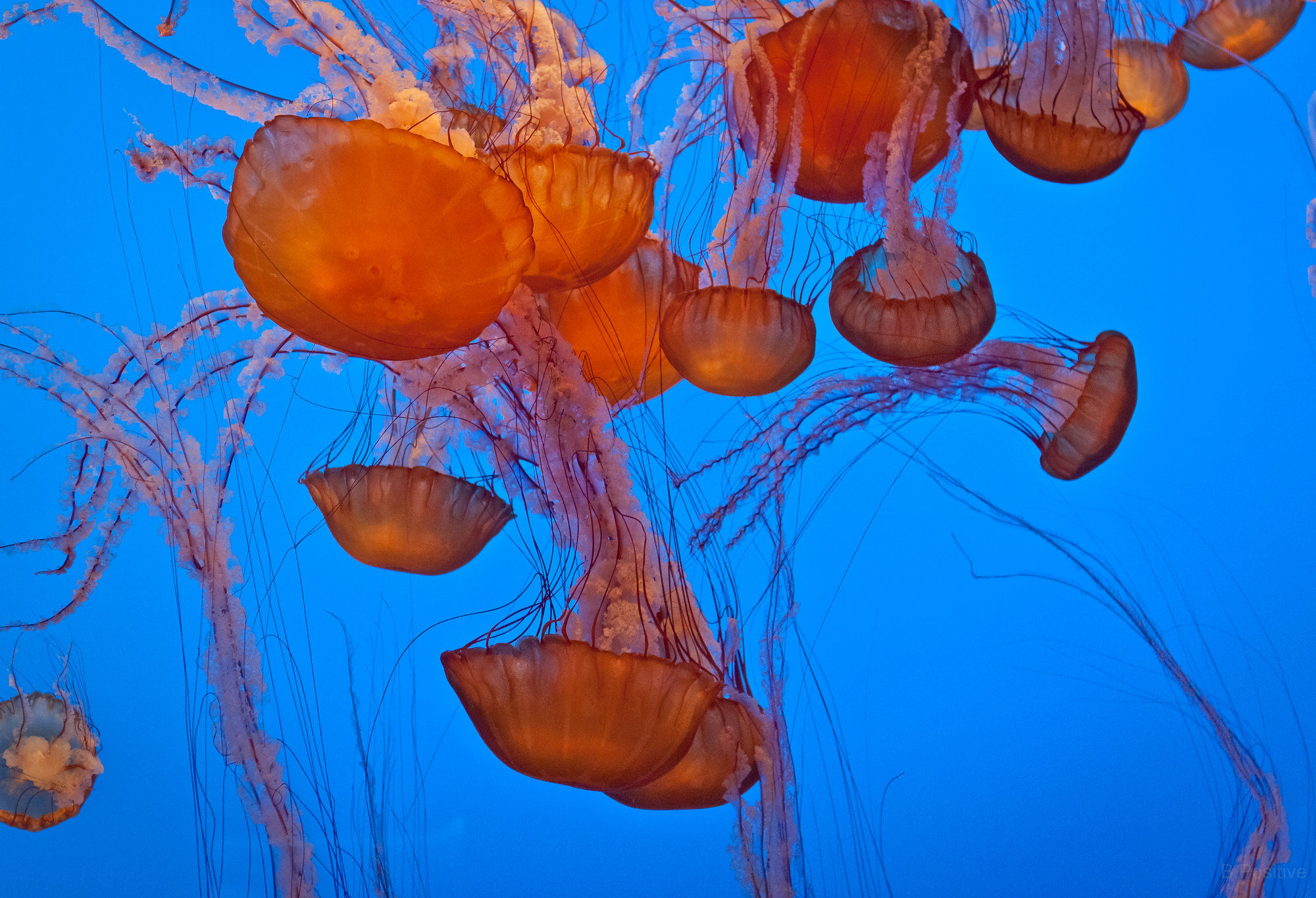
    As the pandemic rages, we’re all staying home. That has cut many of us off from the places we go to find solace in normal times. Coupled with the endless stream of terrible news washing over us, it’s easy to feel overwhelmed. So where do you turn to calm down when you can’t pull your eyes away from your computer screen? Filmmaker Jessica Ellis has a suggestion: aquarium webcams. Watching some swaying kelp or undulating jellies helps her restore mental balance. And she’s not alone. According to the Monterey Bay Aquarium’s Ken Peterson, their web traffic is up ten-fold since the start of the lockdown.

    Links

    Monterey Bay Aquarium web cams

    “What Lies West”

    Hub & Spoke

    Music

    “Kelp Forest” by Douglas Morton

    Photo

    “Jellyfish” by r_kim via Flickr

  • The White Whale

    The White Whale

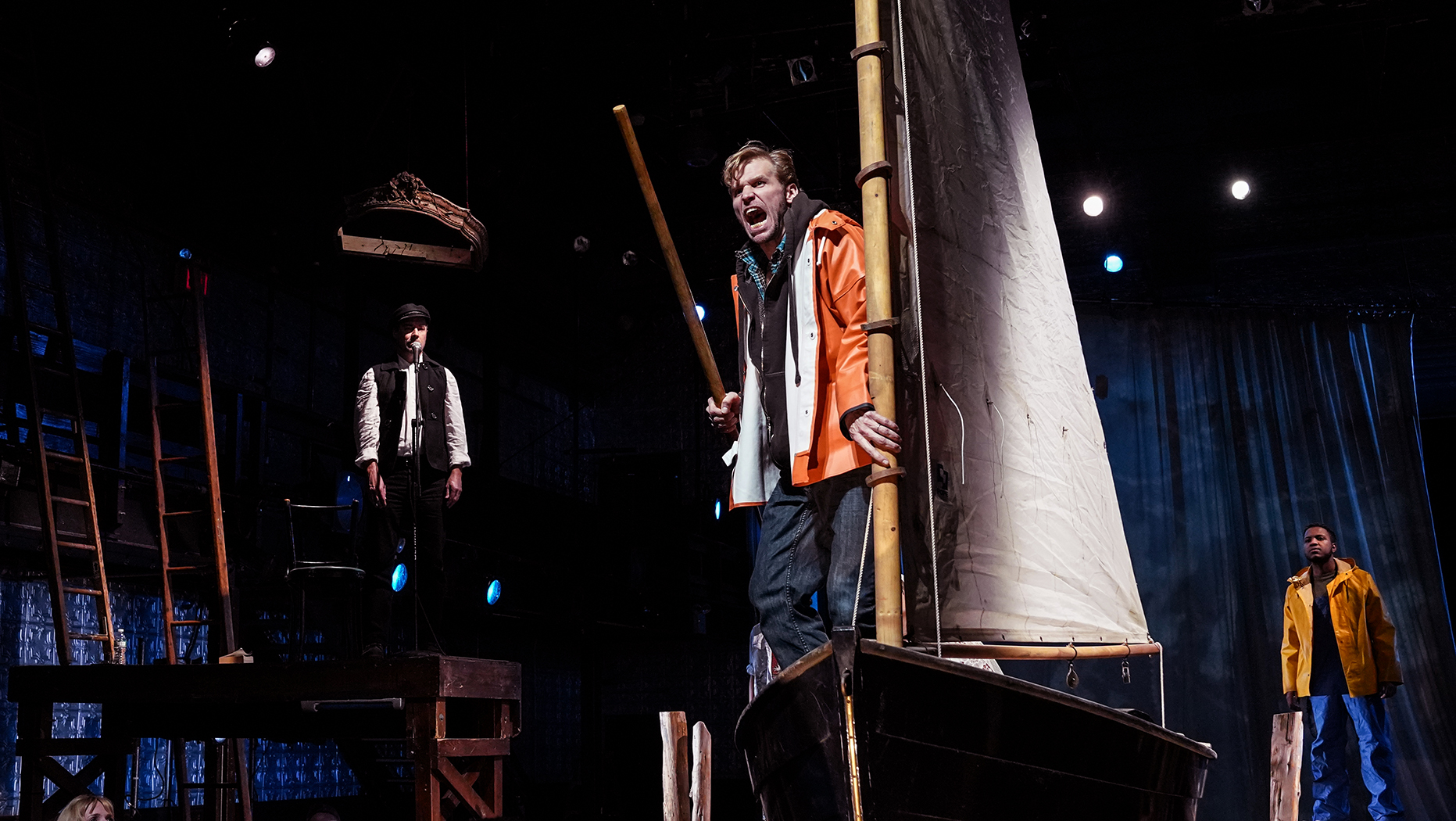
    Michael Gorman looked up to his older brother Kevin. Kevin was smart, independent, rebellious. He became a commercial fisherman, despite the fact that fishing jobs were drying up. But along the way Kevin developed a heroin addiction that took over his life, and he died of an overdose. Michael’s response to his brother’s death was to write a series of plays that make parallels between Melville’s “Moby Dick” and opiate addiction in the fishing industry. Gorman has brought his plays to venues like the Portland Fish Exchange in Portland, Maine, and the Fisherman’s Co-op in Vinalhaven, where they become part teach-in, part community catharsis. His latest play, “Chasing the New White Whale,” runs at LaMama theater in New York through December 9, 2018.

    Links

    Chasing the New White Whale at La Mama

    Music

    “Flaked Paint” by Blue Dot Sessions

  • Something Fishy, part 2

    Something Fishy, part 2

    This episode is the second of a two-part series. Listen to the first part here.

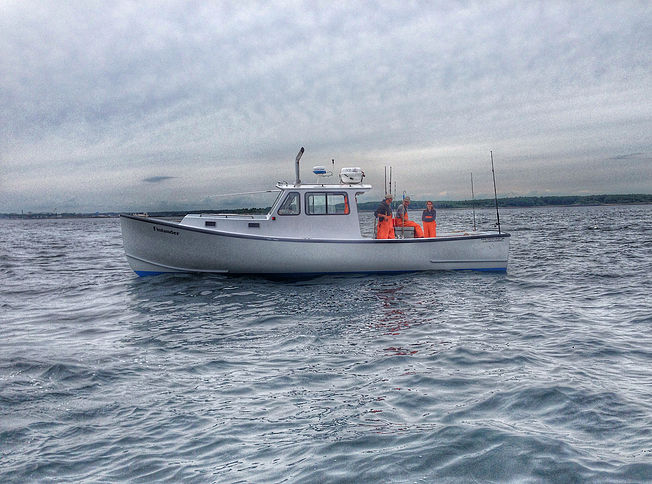
    Conservation-minded regulations have cut New England’s groundfish fleet in half. But have they improved the health of the ecosystem?

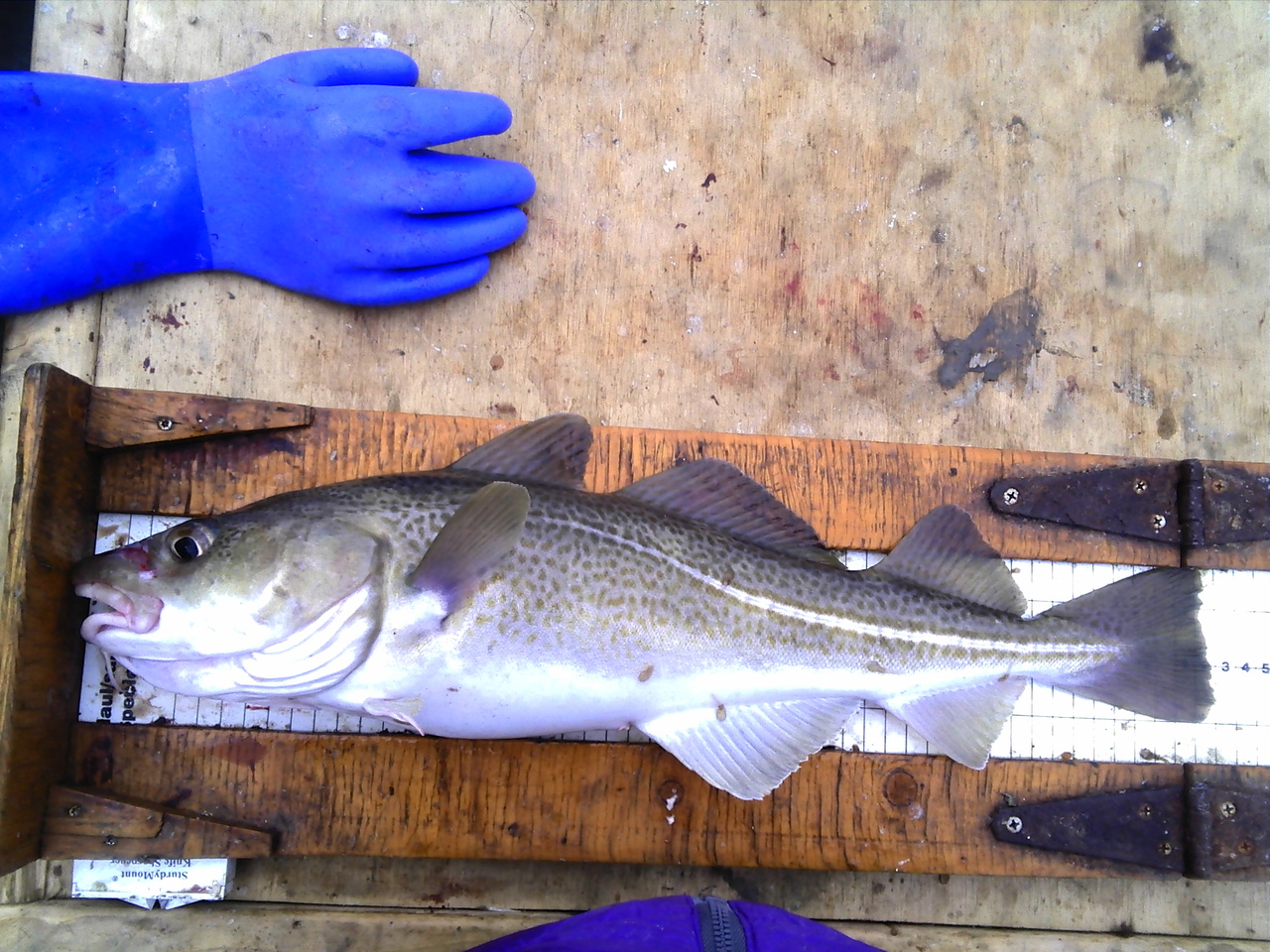
    Some fish stocks are recovering, while others – like cod – have continued to decline. And the quota system designed to protect those species creates a perverse incentive: fishermen are throwing dead fish overboard rather than landing them, further damaging the health of the stocks.

    [image credit: NOAA]

  • Something Fishy, part 1

    Something Fishy, part 1

    Tim Rider loves to fish, and he does it well: the fish he catches bring top dollar at high-end restaurants in Maine, Vermont, and New Hampshire for their quality. But even though his operation is a model of ecological stewardship, regulations designed to help rebuild depleted fish stocks in New England are making it hard for small-scale fishermen like Tim to make a living.

    [image credit: Tim Rider]


    Links

    New England Fishmongers

    Northwest Atlantic Marine Alliance

    Paul Molyneaux

  • The Business of Elvers

    The Business of Elvers

    Every spring, fishermen in Maine put out nets to catch baby eels – also known as elvers – as they make their way up streams from the ocean. They don’t look like much, but the 2-inch-long eels are worth up to $2,500 per pound, making them about 500 times more valuable by weight than lobster. That’s because aquaculture operations in Asia will raise the wild-caught eels to full size, then sell them for their meat. And while populations in Europe and Asia have collapsed, Maine and South Carolina are the only states that allow fishermen to catch the baby eels. The result? Huge profits for the few fishermen who have permits to catch them. Darrell Young, co-director and founder of the Maine Elver Fishermen’s Association, explains the business and takes us to check his nets outside Ellsworth, Maine.